Showing posts with label diet. Show all posts

Monday, June 5, 2017

An LDS Vegan's Response to "The Do’s in the Word of Wisdom" from the Ensign

Original article:

4f8f3a8e3d5d6.preview-300.jpg

Hi, my name is Sarah. I’m a member of the Church of Jesus Christ of Latter-day Saints and I’ve also been a vegan for four years. Recently, two different people online have sent me a link to this particular article on LDS.org, wondering how I chose to be vegan even though the church supposedly “doesn’t condone it.” I had read the article years ago, but it didn’t stop me from going vegan, for reasons we will soon discuss in this post. Firstly, we must note that just because an article is posted on a church magazine or church website, it is not necessarily to be taken as gospel truth. This article was not written by a general authority and it comes from 1977, a time when a lot of people still thought even smoking was just fine for your health.

I actually agree with most of the article when it comes to the commentary on fruits, herbs, and grains being ordained of God for us. Obviously, it’s the part about meat and use of animals that needs to be addressed. For references to specific nutritional studies and scholarly articles, scroll down to the bottom of this post to view my sources on the proven health risks of meat, dairy, and egg consumption.

And now, on to the main points of the article.

  1. “Along the frontiers, people relied heavily on meat as a staple in their diet because it was available and even plentiful, while crops might be scanty and uncertain. Meat was especially important in wintertime when other foods were less plentiful and when the cold weather helped preserve meat. People sometimes followed harmful dietary extremes because they had no accurate idea what they should eat. Thus, the Word of Wisdom was an island of truth in a sea of uncertainty.”

Response:
I absolutely agree. The Word of Wisdom was a rare blessing in the time period when it was first established. Some people were even outraged at the thought of only eating meat when it was necessary because they had been used to diets high in meat for a very long time. However, the Lord was watching out for his people and wanted to guide them in what would be best not only for the welfare of the animals, but also the health of his Saints.


  1. “Although the body does not absorb iron from plants as efficiently as iron from meat, many of us could increase our iron intake by eating many of those same dark green, leafy vegetables.”

Response:
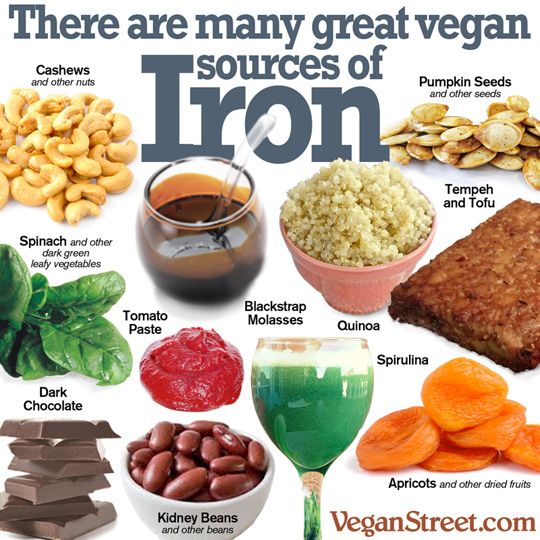
The body can actually absorb plant-based iron sources just fine. Here are some awesome vegan iron sources.
12c00d4de90e011819aaa921115b3fe8.jpg


  1. “The second general area for positive action deals with animals and meat:
“Yea, flesh also of beasts and of the fowls of the air, I, the Lord, have ordained for the use of man with thanksgiving; nevertheless they are to be used sparingly;
“And it is pleasing unto me that they should not be used, only in times of winter, or of cold, or famine.” (D&C 89:12–13.)
We realize that the Word of Wisdom does not advocate total vegetarianism when we read another scripture:
“And whoso forbiddeth to abstain from meats, that man should not eat the same, is not ordained of God;
“For, behold, the beasts of the field and the fowls of the air, and that which cometh of the earth, is ordained for the use of man for food and for raiment, and that he might have in abundance.” (D&C 49:18–19; see also 1 Tim. 4:1–3.)”

Response:
Okay, so let’s first address section 89. The key verse here is 13 where it states “And it is pleasing unto me that they (the animals) should not be used, only in times of winter, or of cold, or famine.”
If we go down further to verse 15, it states: “And these (animals) hath God made for the use of man only in times of famine and excess of hunger.”
Those are pretty self-explanatory. If we are not in a time of great need, such as a famine or a winter where there are shortages of food, then we are to spare the animals' lives and abstain from eating animal foods or using their hides/furs, etc.

Now, onto section 49. If we look in the footnotes at the word “meat,” we’ll see that in the scriptures, it is most often used to simply mean “food,” not specifically flesh. If we look at the chapter heading, we see that verses 18-19 are in reference to the Shaker society developing their own rules at the time as to what their members did and did not eat. Foods that were prohibited included raw or unripe fruit and nuts, cucumbers without salt or pepper, and freshly baked bread. They also spoke about the restrictions of certain types of meat, specifically pork, but were not promoting full vegetarianism. The revelation of these verses was setting the Latter-day saints apart from the Shakers by saying that these dietary restrictions were not of God. Also, if we read further in verse 21 it states, “And wo be unto man that sheddeth blood or that wasteth flesh and hath no need.” Again, pretty self-explanatory. If there is no great need, we should not be using animal flesh.

  1. “What is meat’s nutritional value? It contains good quality protein and iron. The general nutritional composition of eggs is enough like meat that they are considered a ‘meat alternate.’ Milk and cheeses are also high in protein, but contain calcium instead of iron. Dried peas and beans such as pigeon peas, navy beans, and soybeans contain moderate to high quality protein as well as some iron, so these may be used as meat alternates. Grains contain less protein than most of these other foods; it’s also of poorer quality. However, grain protein contributes to the day’s total, especially when eaten with meat or meat alternates. Vegetables contain only small amounts of protein, and fruits practically none at all. Thus a diet which relies totally on grains, fruits, and vegetables usually means protein deficiency.”

Response:
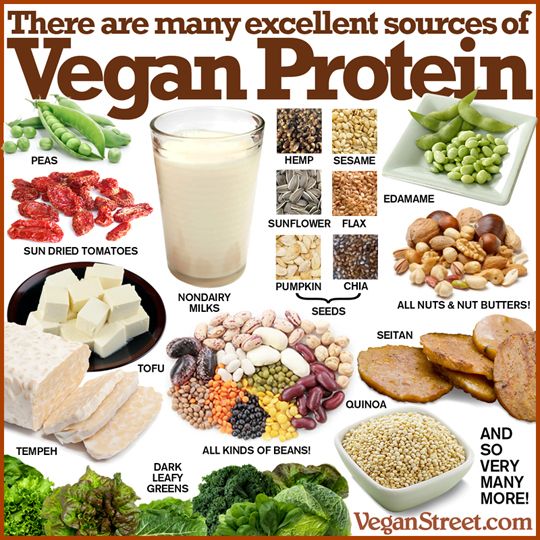
First we must ask ourselves, what is a protein? A protein is an amino acid, and amino acids are present in all plant foods. There are 9 essential amino acids that we must have in our overall diet, and by eating a variety of vegetables, whole grains, legumes, nuts, and seeds, it is very easy to obtain all nine of these amino acids. Here are some examples of plant-foods that are high in protein.
aa034d426b3748511b55aa69f42e501f.jpg 


  1. “In addition to protein, meats provide us with several of the vitamins in the vitamin B group: thiamin, niacin, riboflavin, pantothenic acid, pyridoxine. One member of this group, vitamin B12, is found only in meat, milk, cheese, and eggs; thus strict vegetarians must take a vitamin B12 supplement to avoid eventual irreversible damage to their spinal cord. Meats also contribute to a full feeling after a meal, because they contain some fat, which stays in our stomach longer than the other nutrients.”

Response:
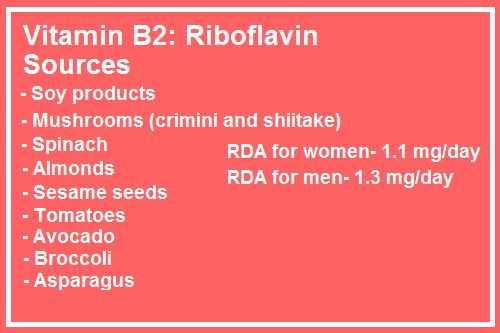
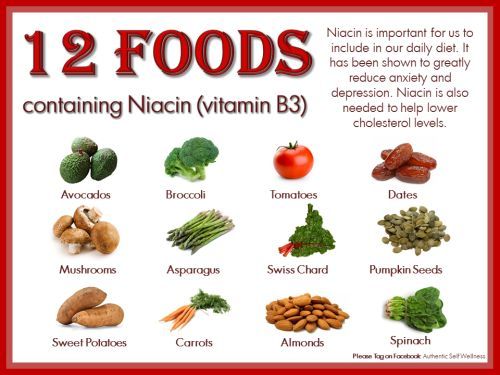
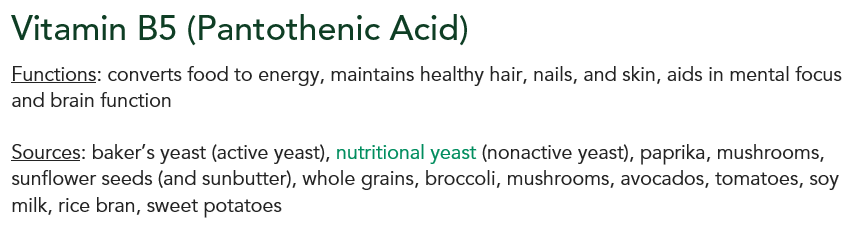
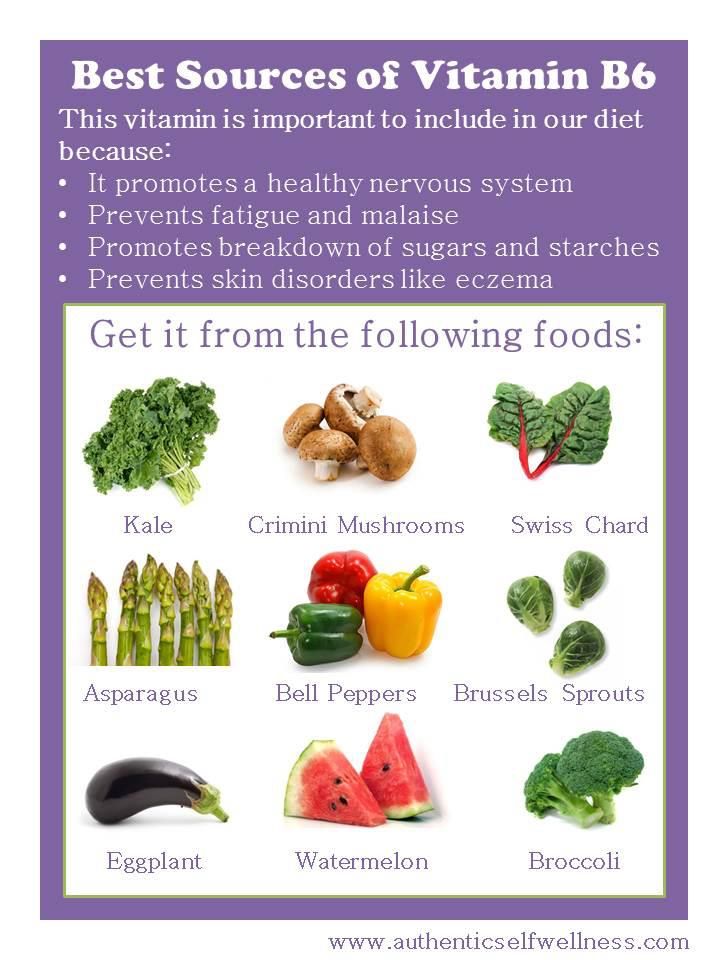
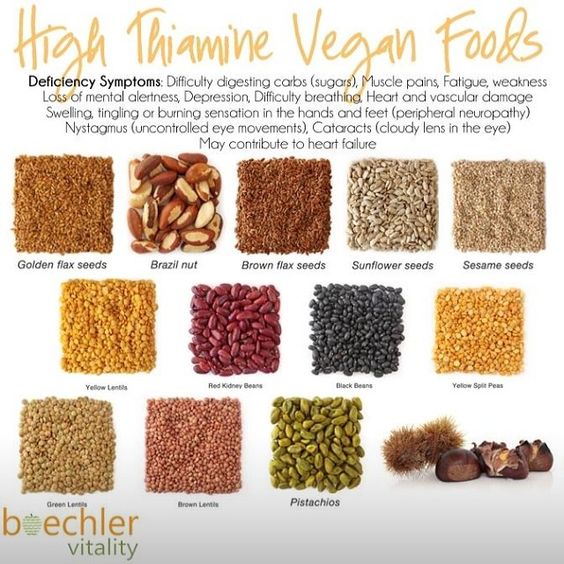
All of the nutrients the author mentioned here are easily available in vegan/plant-food form. Let’s look at some examples in the order listed by the article:

B1 (thiamine) sources:
43e0380800e1ebdf4a37b1410e64ca89.jpg

B2 (riboflavin) sources:

cbf4ed1ae2e43100c63edca20d9352b0.jpg


B3 (niacin) sources:

2ce3954f36b0a71c81bd3d0ccf03e3bc.jpg

B5 (pantothenic acid) sources:
Capture.PNG

B6 (pyridoxine) sources:
3c6b6c4c706c934ab018775918f343e4.jpg

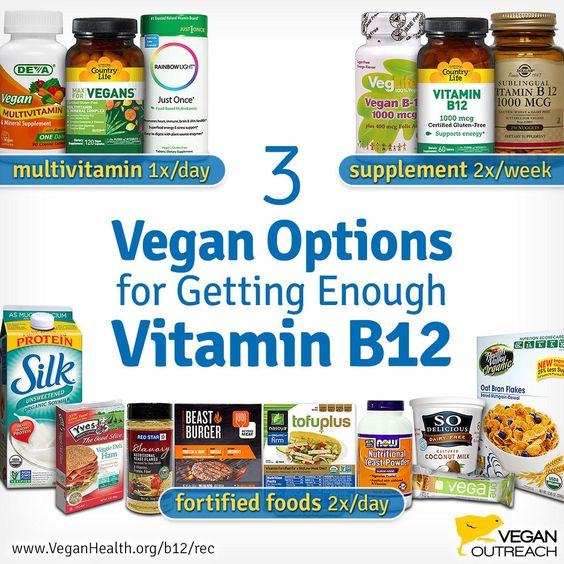
When it comes to vitamin B12, it gets a bit more complicated. But here’s some essential info about B12:
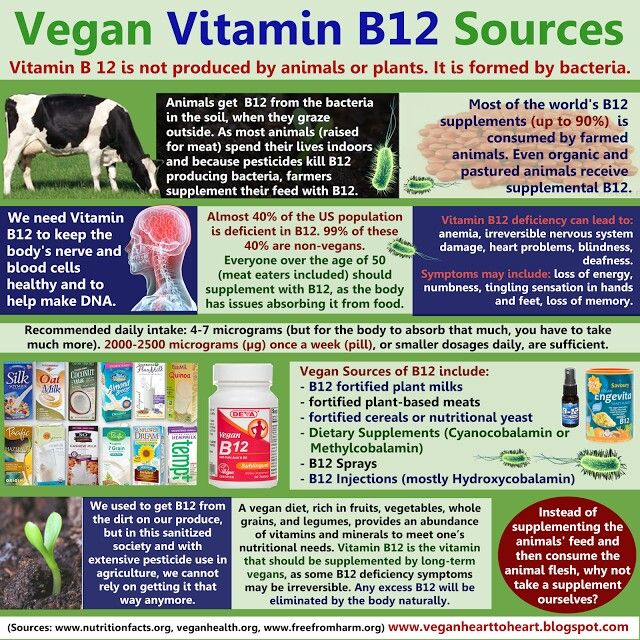
caa001e9e1721e397ea69c157e1d79ba.jpg

These days, there are also plenty of B12 sources:
756b3288dbeba781f6cdcbd9b8fd89af.jpg

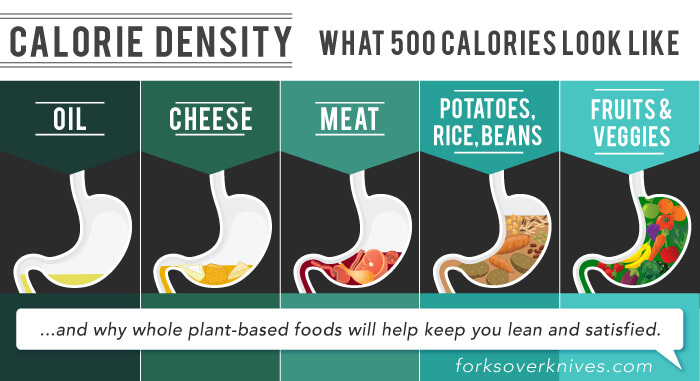
When it comes to foods that fill us up the most efficiently, look no further than foods highest in fiber and water:
Caloric-Density-FINAL.jpg

  1. “However, we are admonished to use meat sparingly. This caution is certainly understandable considering how heavily nineteenth-century Americans relied on meat when the Word of Wisdom was given. But even in our day of more balanced diets, we are aware of some problems when the meat intake is very high, as advocated by some dieters or by athletes who do not understand muscle physiology.
When meat makes up the main part of our food intake, we crowd out other foods and, consequently, their nutrients. In a recent extreme example, a widower had milk for breakfast, a hamburger for lunch, and steak for dinner. He disliked onions and other vegetables, thought potatoes were “fattening,” and was not interested in fruit. He developed scurvy!”

Response:
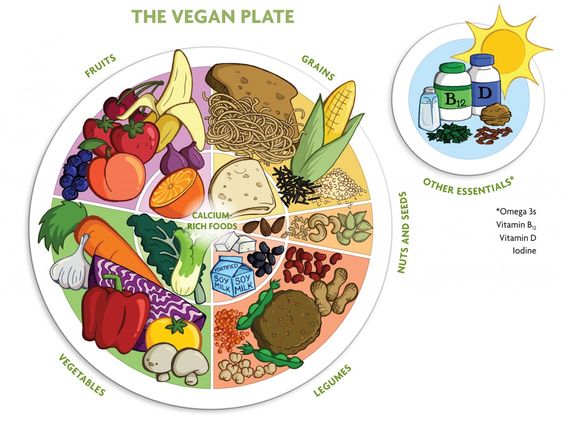
It’s actually very easy to eat a balanced plant-based diet. All you have to do is stick to these four main food groups: whole grains, legumes, fruits and vegetables (with the occasional honey, nuts and seeds). Eating a variety of colorful and whole foods is the key to obtaining all the nutrients we require.
52245caddbe6183a58d303ea8c77c606.jpg
  1. “Meats are also sources of fat, primarily saturated fat, and cholesterol. People who need to cut down their total calories may need to cut down on the total amount of fat in their diet. Individuals who have some of the risk factors associated with cardiovascular disease may need to limit their intake of saturated fat and cholesterol as well as total fat and calories.”

Response:  
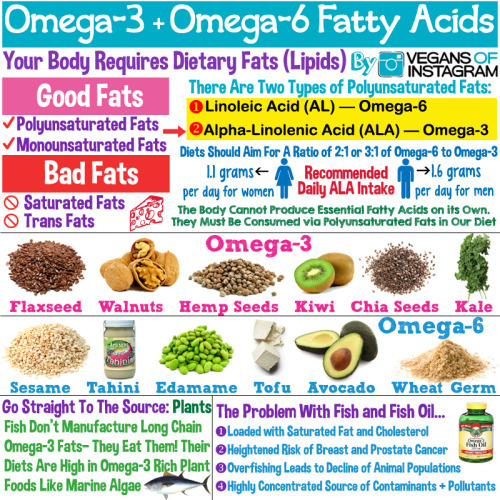
In order to prevent any risk of heart disease, cancer, diabetes, and other common diseases, it’s imperative that we adopt a plant-based diet, because it’s virtually removes all cholesterol and most saturated fat from our diet.

Here is some info on healthy plant fats:
tumblr_mxzayvdJwe1rsfk85o2_r1_500.jpg

And here we see the connection of animal foods with common diseases:

Plant-vs-disease-chart.jpg

  1. Some researchers believe that a diet high in meat is linked with a higher incidence of colon cancer and diverticular disease. (Diverticula are small pockets on the large intestine which may become inflamed.) However, since it’s almost impossible to have a high meat diet without having a high fat and low fiber intake as well, it’s not clear what actually causes the intestinal problems. In Utah, where per capita beef consumption is slightly higher than the national average, the incidence of cancer of the colon still is less than the incidence among Seventh Day Adventists, even though many of the latter group practice a vegetarian diet. Thus, the relationship between a high meat diet and cancer needs further investigation.

Response:
That study only involved vegetarian Seventh Day Adventists, not vegans. They were still likely to be consuming dairy and eggs, which also contribute to colon cancer.

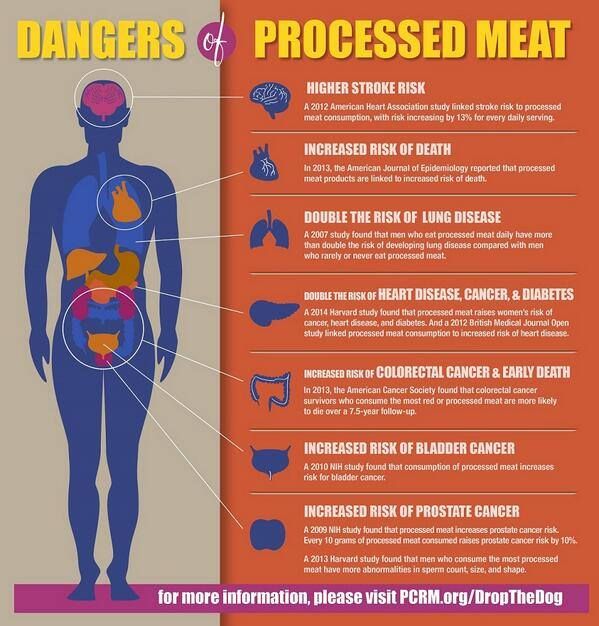
Since this article was written, there have been an overwhelming amount of studies that conclude all animal products, meat, dairy, and eggs, to be the top causes of heart disease, diabetes, and cancer, among other diseases.
99ac1cb77c6fa14d5e25248cfd814bd1.jpg

  1. “Another problem more clearly associated with a high meat (or a high protein) diet is the extra work placed on the kidneys. Protein not needed for building or repairing body tissue is broken down; part of the molecule is used for energy or stored as fat while the other part of the molecule is excreted as waste in urine.”

Response:
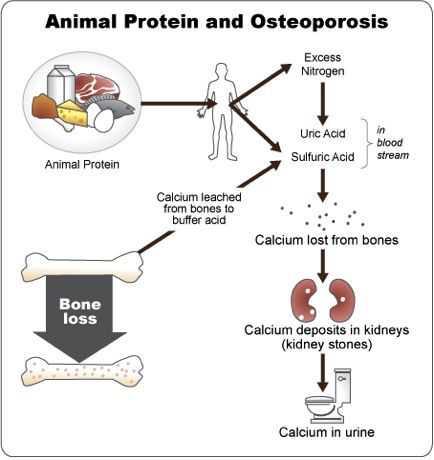
Dairy is just as likely as meat and eggs to contribute to kidney stones. Here’s why:


d381a109efb1be7b7a8a5bf7ced8e8d2.jpg

  1. “Protein in the diet also influences calcium retention. Our teeth and bones need calcium throughout life, but the body doesn’t retain it well when the protein intake is considerably higher than necessary. Reducing meat intake might actually benefit those with limited calcium intake, although of course they’d need to be sure that their protein intake is still adequate.”

Response:
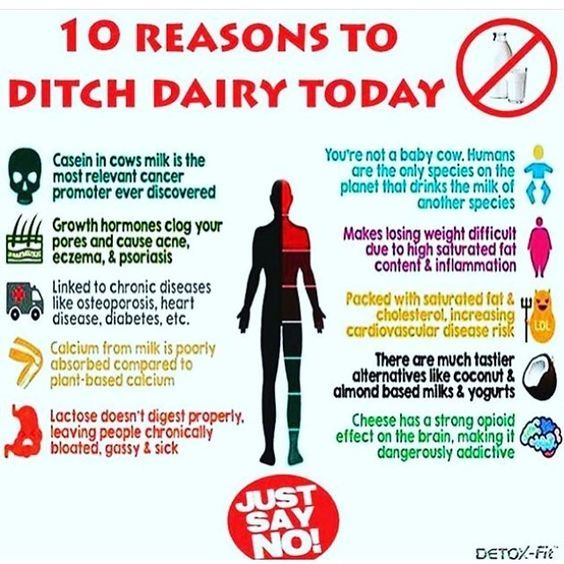
Dairy is absolutely horrible for your health. The calcium in dairy is a different kind than the calcium found in plant foods. The molecules in dairy bond to the calcium in our bones, causing the bones to be porous and leading to osteoporosis. They then travel to the kidneys where the calcium deposits get stuck and form kidney stones. On top of that, here are some other reasons to ditch dairy:
ad576ccd4eebc09ea894c5192d9de356.jpg

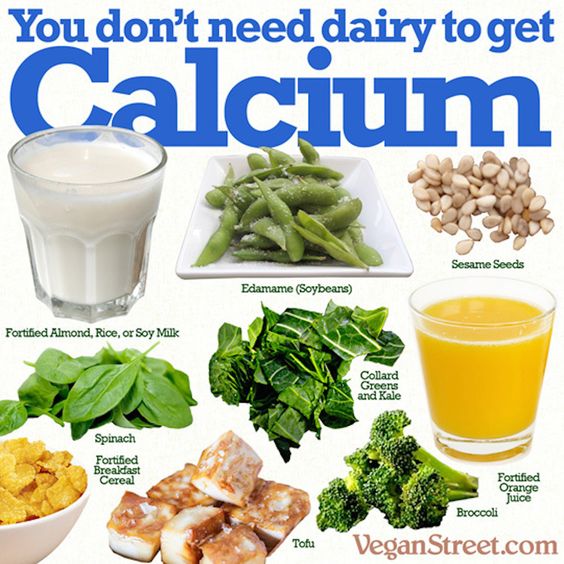
The good news is, there are so many delicious sources of calcium from plant foods!
695920a43e7ada3aebe26e30b4028056.jpg

  1. “How much do we actually need? The National Research Council estimates individuals need .8 grams of protein per kilogram of body weight.... It is easy to make substitutions; for more detailed information on protein in foods consult a table of food values. In most states and countries a publication listing food values is available from government agencies.”

Response:
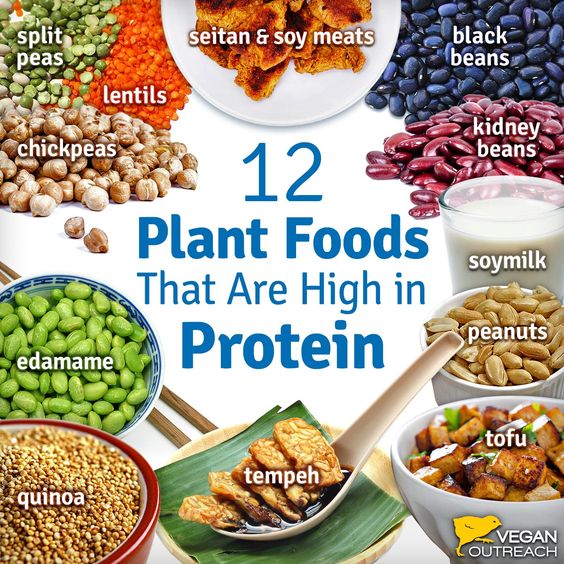
Any animal products are too much because they promote disease, as we’ve discussed. But as for protein in general, women only require about 46 grams per day and men require about 56 grams per day, according to authoritynutrition.com. This is very easy to reach and maintain on a vegan diet. Here are some more great sources of protein from plant foods!
0a597b7d4616b757bbfa53abccb4bb26.jpg

  1. “High-quality protein should provide approximately one-third to one-half of the recommended intake. Thus, someone could cut down on meat and milk by increasing consumption of beans, nuts, and cereal products. In making such substitutions, however, we should remember that meats are some of the best sources of iron, and that milk and cheeses are the best sources of calcium in the typical Western diet.”

Response:
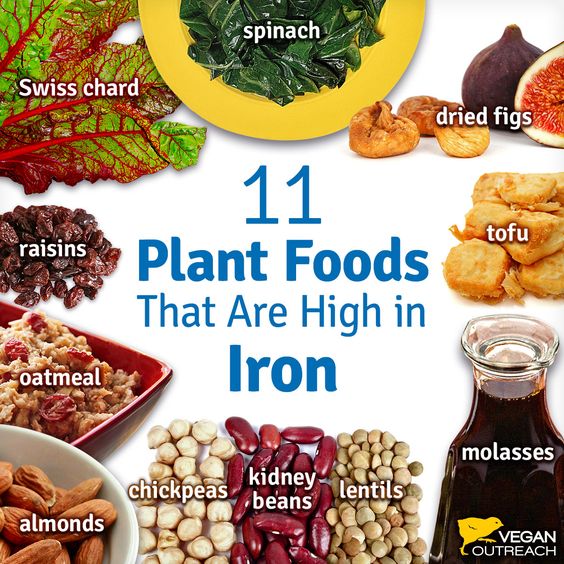
While meat may contain a large amount of iron, it is definitely not the healthiest source of it. Here are some healthy, plant-based iron sources:
55908596846cc36e8174f2b72997a3be.jpg

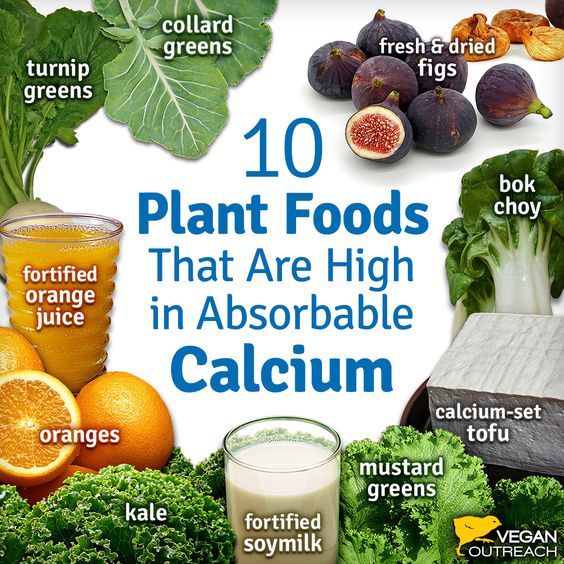
And milk is definitely not the best source of calcium. Here are some foods that are!
1152b02357920cf49eb2eae91157044c.jpg

  1. “We are told in Doctrine and Covenants 89:12–13 [D&C 89:12–13] that the use of meats is more appropriate during times of winter, cold, or famine. Why? We’re not certain. Our present knowledge about the body’s protein requirement suggests that we need the same amount of protein throughout the year, although we can certainly emphasize different sources in different seasons. In this area as in others, there’s definitely room for additional research.”

Response:
Since the time this article was written, there has definitely been more research done and the results are very clear. Just as it took researchers a long time to discover smoking is bad for us, it took time to discover the dangers of animal products as well. But now, it’s been done! There is a reason our Heavenly Father would warn us to only eat animal foods in times of need. He allows us to eat them to keep from starving, but if we already have other options available, he would have us choose those healthier options.

  1. “Since grain has less protein—and it’s lower quality than the protein in meat, eggs, milk, cheese, dried beans, and dried peas—we get the most out of grain if we combine it with high-quality protein. Nonetheless, grains do add significant protein, as well as thiamin, niacin, riboflavin, and iron, although the iron in grains is not as readily absorbed as the iron in meat. Grains are not good sources of calcium or vitamins A and C.”
Response:
Grains in their whole form are very good for us and provide a lot of nutrients. However, I completely agree that relying solely on grains for our nourishment would be foolish and incomplete, just as it would be if we only relied on fruits, or only vegetables, or only beans. Eating a variety of foods is essential for complete balance.

  1. In spite of the high nutritional benefits of grains, there are some dangers in eating grains excessively. One problem is that too much whole grain can irritate the intestinal tract and cause discomfort and diarrhea in some individuals. Another is that grains are not a very concentrated source of calories, and young children especially cannot eat enough grains to supply all of their energy needs. Also, since grain protein is lower quality, and not as concentrated as animal protein, it is possible to develop a deficiency. Severe protein-calorie malnutrition still occurs in many areas where children are weaned from mother’s milk to grain products.
Response:
Some people have wheat/gluten intolerances, in which case, they should stay away from wheat, barley, and rye. And any food can be bad for us if we eat it in excess because we don’t want to overload our digestive system. But grains, along with a variety of all other plant foods, can definitely be healthy for our bodies and a staple in our diets.

  1. “Elder Bruce R. McConkie has stated that ‘the Word of Wisdom is not the gospel, and the gospel is not the Word of Wisdom.’ Extremism in ‘obeying’ the Word of Wisdom, like extremism in any aspect of the gospel, can distort our perspective and lead us away from our goal of eternal salvation.”

Response:
What Elder McConkie meant by this statement is that a person can still eat meat and have a temple recommend. Also, the restored Gospel is focussed on the atonement of Jesus Christ and returning to live for eternity with our Heavenly Father after this life. It’s not just based on abstaining from harmful substances, though doing so is good for us and pleasing to God. The word of Wisdom is, however, part of living a clean and righteous life. Extremism, in this case, would mean obsessing over every little thing you put in your body, such as what it came in contact with, etc. Such things are not necessary.
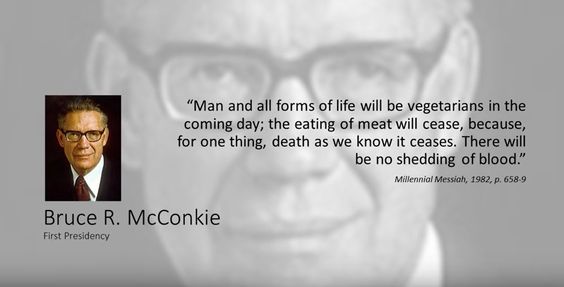
Elder McConkie has another great quote from his book Millennial Messiah that is worth noting:
667f7a2cbad1170f52b7a63b184ec49d.jpg

If we’re going to be eating in a cruelty free way after Christ returns, just as Adam and Eve did in the Garden of Eden, why not make our choices and behaviors as close to Paradise as possible now? :)

For more statements given by the General Authorities of the church on this subject, check out this awesome video, “Return to Sparingly:”


And for more info on living the Word of Wisdom in its entirety and how to do so, check out this very helpful video:


Scholarly articles on the health risks of animal product consumption:

Nutritional Update for Physicians: Plant-Based Diets:

A Plant-Based Diet, Atherogenesis, and Coronary Artery Disease Prevention:

Diet, lifestyle, and the etiology of coronary artery disease: the Cornell China Study: http://www.sciencedirect.com/science/article/pii/S0002914998007188

Vegetarian diets are associated with healthy mood states: a cross-sectional study in Seventh Day Adventist adults:

Dietary effects on breast-cancer risk in Singapore:

Red and Processed Meat and Colorectal Cancer Incidence: Meta-Analysis of Prospective Studies:
A Low-Fat Vegan Diet Improves Glycemic Control and Cardiovascular Risk Factors in a Randomized Clinical Trial in Individuals With Type 2 Diabetes:

Atherosclerosis across 4000 years of human history: the Horus study of four ancient populations:


Friday, May 26, 2017

Why Do the Scriptures Condone Killing Animals? A Vegan's Perspective

As most people who read this blog know, I am LDS/Christian (meaning I’m a member of the Church of Jesus Christ of Latter-day Saints, A.K.A. the Mormon Church), and I am also a vegan (meaning I don’t eat or use anything from an animal including meat, dairy, eggs, leather, fur, etc.). Because of this, I often have conversations with other Christians about veganism pertaining to the scriptures. Many Christians claim that meat-eating was completely condoned by God all throughout the scriptures, often stating, “Jesus ate meat, so I eat meat too.” Today I wish to address the most common scriptural references that Christians say “support” meat eating and provide some context and friendly rebuttal. Before I start, I will say that I completely believe that it is pleasing to our Heavenly Father when we abstain from animal products. So, therefore, it is a worthy cause, and I hope to illustrate that in these points.


First of all, whenever I make mention of animal products (meat, dairy, eggs) being "unhealthy," what I mean is that they have been proven to contribute to heart disease, cancer, diabetes, and more of the most common diseases we face today. I'll place some peer reviewed studies at the bottom of this article for more information on the nutritional aspect.

First, let’s look at examples from the Bible that many Christians claim to be “proof” that using animals for food/raiment is a righteous thing to do.

  1. Adam and Eve wore animal skins after the fall.

adam_eve.jpg

Genesis 3:21
21 Unto Adam also and to his wife did the Lord God make coats of skins, and clothed them.

Explanation:
These skins didn’t seem to have ever been attached to an animal. They were simply created by God to clothe Adam and Eve, so there is no real indication of cruelty in this verse. However, since part of Adam and Eve’s punishment for disobeying God was living off of the land and enduring hardship, it’s certain that at some point, they would need to kill and use animal skins for raiment. It’s hard to blame them, though, since they didn’t have much else to work with at the time. But as they grew crops, surely they made clothing out of plant fibers at some point too.

One thing to keep in mind is that before Adam and Eve fell and they still lived in the Garden of Eden, they were essentially what we today would call “vegan.” And so were the animals!

Genesis 1:28-30
28 And God blessed them, and God said unto them, Be fruitful, and multiply, and replenish the earth, and subdue it: and have dominion over the fish of the sea, and over the fowl of the air, and over every living thing that moveth upon the earth.
29 ¶ And God said, Behold, I have given you every herb bearing seed, which is upon the face of all the earth, and every tree, in the which is the fruit of a tree yielding seed; to you it shall be for meat.
30 And to every beast of the earth, and to every fowl of the air, and to every thing that creepeth upon the earth, wherein there is life, I have given every green herb for meat: and it was so.


2) Animal sacrifice was practiced in the Old Testament.  

image-4.png

There are a LOT of references in the Bible to animal sacrifice. Here are a few:

19 ¶ And thou shalt take the other ram; and Aaron and his sons shall put their hands upon the head of the ram.
20 Then shalt thou kill the ram, and take of his blood, and put it upon the tip of the right ear of Aaron, and upon the tip of the right ear of his sons, and upon the thumb of their right hand, and upon the great toe of their right foot, and sprinkle the blood upon the altar round about.
21 And thou shalt take of the blood that is upon the altar, and of the anointing oil, and sprinkle it upon Aaron, and upon his garments, and upon his sons, and upon the garments of his sons with him: and he shall be hallowed, and his garments, and his sons, and his sons’ garments with him.
22 Also thou shalt take of the ram the fat and the rump, and the fat that covereth the inwards, and the caul above the liver, and the two kidneys, and the fat that is upon them, and the right shoulder; for it is a ram of consecration:
31 ¶ And thou shalt take the ram of the consecration, and seethe his flesh in the holy place.

11 And this is the law of the sacrifice of peace offerings, which he shall offer unto the Lord.
12 If he offer it for a thanksgiving, then he shall offer with the sacrifice of thanksgiving unleavened cakes mingled with oil, and unleavened wafers anointed with oil, and cakes mingled with oil, of fine flour, fried.
13 Besides the cakes, he shall offer for his offering leavened bread with the sacrifice of thanksgiving of his peace offerings.
14 And of it he shall offer one out of the whole oblation for an heave offering unto the Lord, and it shall be the priest’s that sprinkleth the blood of the peace offerings.
15 And the flesh of the sacrifice of his peace offerings for thanksgiving shall be eaten the same day that it is offered; he shall not leave any of it until the morning.

3 And unto the children of Israel thou shalt speak, saying, Take ye a kid of the goats for a sin offering; and a calf and a lamb, both of the first year, without blemish, for a burnt offering;
4 Also a bullock and a ram for peace offerings, to sacrifice before the Lord; and a meat offering mingled with oil: for to day the Lord will appear unto you.
19 Then ye shall sacrifice one kid of the goats for a sin offering, and two lambs of the first year for a sacrifice of peace offerings.

14 And he shall offer his offering unto the Lord, one he lamb of the first year without blemish for a burnt offering, and one ewe lamb of the first year without blemish for a sin offering, and one ram without blemish for peace offerings,

10 Also in the day of your gladness, and in your solemn days, and in the beginnings of your months, ye shall blow with the trumpets over your burnt offerings, and over the sacrifices of your peace offerings; that they may be to you for a memorial before your God: I am the Lord your God.

Explanation:
To me, this is the saddest thing to happen to animals in scriptural times. However, even I will admit there was a great reasoning behind it. As many Christians are already aware, animal sacrifice ended with the ultimate sacrifice that Jesus Christ made for us. He died to atone for our sins. Before he did that, the only way to repent was by animal sacrifice.
According to what I understand of the Plan of Salvation, this is not just something God “made up” to torture animals, as I’ve heard some people hastily assume. There is opposition in all things. Where there is good, there will always be an opposite of evil parallel to it. When God had a plan to give us life, there was another, Satan, who wished to take control and have all the glory be his own. Christ made it so that such a thing would never happen, thankfully. But because we live in a world of both good and evil, we must realize that there is a natural balance to things. Good deeds attract good circumstances, and bad deeds (sins) attract bad circumstances. Many know this as karma or “what goes around comes around.” Our worthiness to return to paradise with Heavenly Father and be exalted with him relies on our ability to pass the ultimate test of this life, which is choosing to believe in Christ and follow all of God's commandments. When we don’t, we must repent. Before Christ sacrificed himself to cover our imperfect and sinful state, that had to be repeatedly covered by the death of animals. Sin attracts death, but righteousness attracts life.


We may also remember that animals weren’t the only ones people had to be willing to sacrifice. Abraham’s faith was tested when the Lord commanded him to sacrifice his own son, Isaac. Thankfully, it was merely a test, and Isaac was spared.

2 And he said, Take now thy son, thine only son Isaac, whom thou lovest, and get thee into the land of Moriah; and offer him there for a burnt offering upon one of the mountains which I will tell thee of.
6 And Abraham took the wood of the burnt offering, and laid it upon Isaac his son; and he took the fire in his hand, and a knife; and they went both of them together.
7 And Isaac spake unto Abraham his father, and said, My father: and he said, Here am I, my son. And he said, Behold the fire and the wood: but where is the lamb for a burnt offering?
8 And Abraham said, My son, God will provide himself a lamb for a burnt offering: so they went both of them together.
10 And Abraham stretched forth his hand, and took the knife to slay his son.
11 And the angel of the Lord called unto him out of heaven, and said, Abraham, Abraham: and he said, Here am I.
12 And he said, Lay not thine hand upon the lad, neither do thou any thing unto him: for now I know that thou fearest God, seeing thou hast not withheld thy son, thine only son from me.

13 And Abraham lifted up his eyes, and looked, and behold behind him a ram caught in a thicket by his horns: and Abraham went and took the ram, and offered him up for a burnt offering in the stead of his son.

The good news is, there will be no more death once Christ returns again. As sad as the cruelty in this world can be, God has a plan of happiness for all of us that includes us all being peaceful once again after the Second Coming, including the animals, as we see in these passages:

Isaiah 11:6
6 The wolf also shall dwell with the lamb, and the leopard shall lie down with the kid; and the calf and the young lion and the fatling together; and a little child shall lead them.

Isaiah 65:25
25 The wolf and the lamb shall feed together, and the lion shall eat straw like the bullock: and dust shall be the serpent’s meat. They shall not hurt nor destroy in all my holy mountain, saith the Lord.


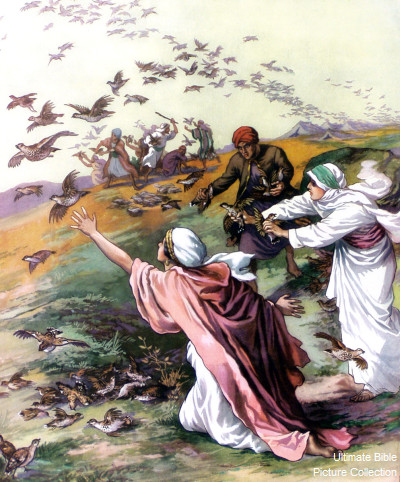
3) Manna and quail were sent by God to the people of Moses.
gathering_quails.jpg

Exodus 16:13
13 And it came to pass, that at even the quails came up, and covered the camp: and in the morning the dew lay round about the host.

Explanation:
To put this in context, the people of Moses were wandering through barren desert lands for many years, so they had very little access to food. In this case, it would be a lot like a famine, only in traveling form. In this story, God sent manna as the main source of food for people to make into bread, and he also sent them quail for meat. Bread and meat are two things that are higher in calories and can sustain people longer than if the people relied only on trying to forage plants in the desert. Some may argue, “Well, he’s God. He can do anything, so he should have just made fruit trees or grains spring up out of the ground.” What these people may be forgetting is that this life is a test, and the people of Moses were most definitely in the midst of that test. In order to try their faith, they had to work for things, even after God provided for them. For example, the manna fell from heaven, but it was still up to the people to gather it, preserve it, and bake it into bread.
As for the quail that were used for food, it’s clear that this was a sacrifice God made in order to be sure his people were being fed enough to survive, sad as it may be. But that does not mean that animals are meaningless to him. As we see in Luke, every bird and creature has importance to our Heavenly Father, just as he loves every one of us.

Luke 12:6
6 Are not five sparrows sold for two farthings, and not one of them is forgotten before God?

Not to mention, animals aren’t the only things God has sent to die so that we might live. Let us not forget, God sent his own beloved son to die for all of us too.

John 3:16
16 ¶ For God so loved the world, that he gave his only begotten Son, that whosoever believeth in him should not perish, but have everlasting life.

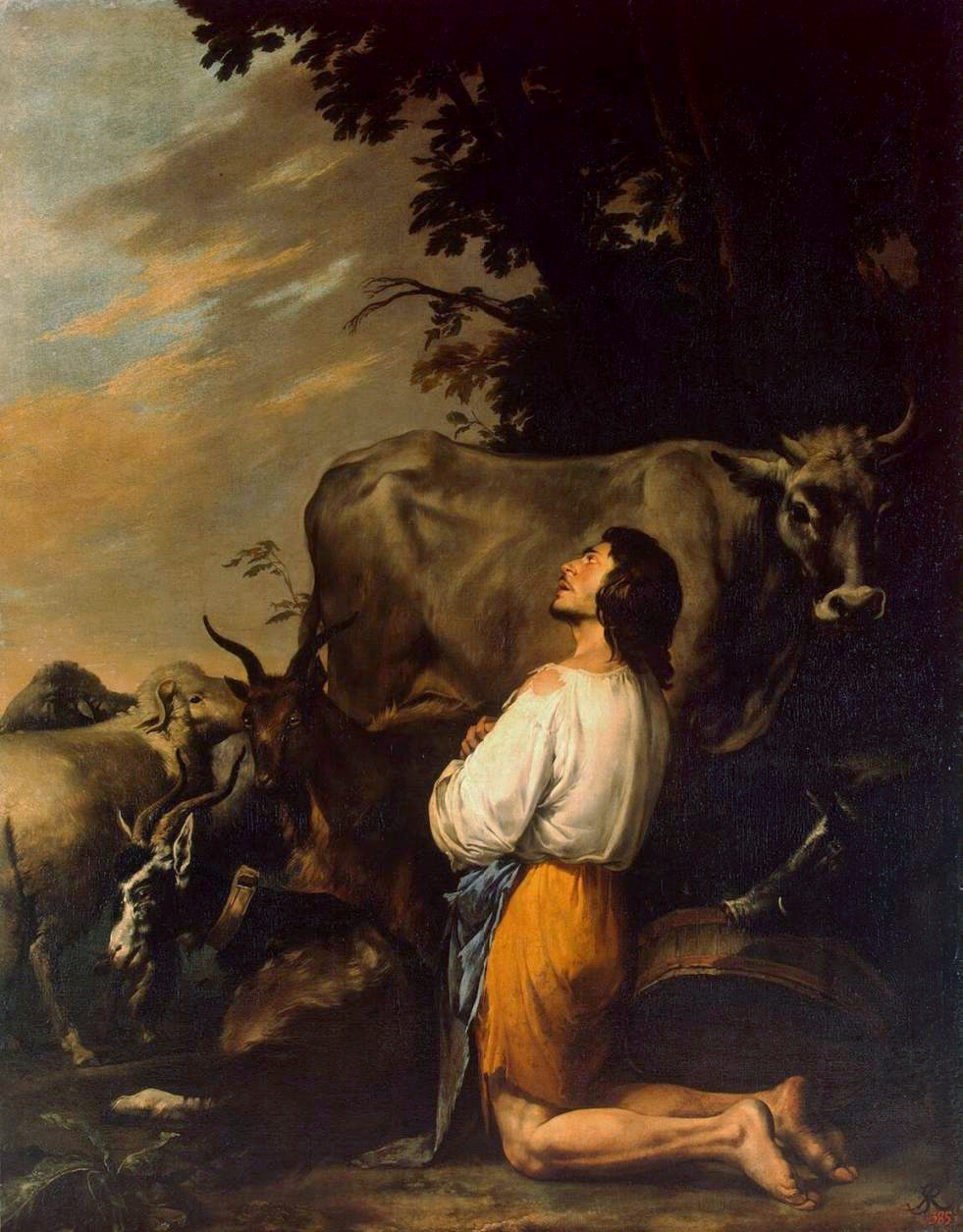
4) The Prodigal Son returned and they killed the fatted calf.

rosa.jpg

Luke 15:23
23 And bring hither the fatted calf, and kill it; and let us eat, and be merry:

Explanation:
Just as it was common to make animal sacrifices in Biblical times, it was also quite common to offer up your best livestock when a cause for celebration came along. This is something that spans over numerous cultures and, though I don’t agree with it, it had cultural significance at the time. Since most people were not wealthy, it was a sign of great respect, gratitude and thanksgiving when someone would offer the best of their livestock and share it in a celebratory feast with their family/neighbors. These days, our cultures have thankfully changed and moved away from such traditions here in the Western world. Let us not forget, had the poorer people of that time not kept livestock, hunted, etc., they may not have been able to survive due to possible crop failure, famines, etc.

Animals weren’t the only questionable thing consumed at celebrations in those times. So was wine. In fact, while many Christians abstain from alcohol in our modern day (and rightly so, it’s terrible for our health), it was arguably the most common drink in much of the world for centuries because water simply wasn’t clean enough to drink most of the time. We see in these verses that even Christ himself condoned drinking wine.

John 2: 1-11
7 Jesus saith unto them, Fill the waterpots with water. And they filled them up to the brim.
8 And he saith unto them, Draw out now, and bear unto the governor of the feast. And they bare it.
9 When the ruler of the feast had tasted the water that was made wine, and knew not whence it was: (but the servants which drew the water knew;) the governor of the feast called the bridegroom,

Does that mean he wants us to drink wine today? Nope, because we have clean water accessible to us. Just the same, since we have access to plenty of non-animal sources of food, we no longer need to eat animal products in our modern Western society.

5) Isaac asked Esau to hunt for him.
esau.jpg

Genesis 27:3-4
3 Now therefore take, I pray thee, thy weapons, thy quiver and thy bow, and go out to the field, and take me some venison;
4 And make me savoury meat, such as I love, and bring it to me, that I may eat; that my soul may bless thee before I die.

Explanation:
This is by far the most common Bible verse of hunters. They often use it as an excuse to go out and kill everything from deer to bears to wolves. What they forget is the actual context of this verse. While they may skim over it and take it as some random commandment from God to go and kill his own animal creations, it is actually just a request made by a dying Isaac to his son Esau. They were in need of food out in the wilderness and he was too weak to go hunt, so he asked Esau to hunt for him so he could eat. Simple as that. Sure, I don’t like that animals had to die for this, but like the other examples we see in this post, having a lack of food in the wilderness was very common in these biblical times because, simply put, society was just not as advanced as it needed to be for the majority’s prosperity.

However, we are warned in Genesis that animals are only to be killed/used if there is a need, otherwise we will be held personally responsible for them.

Genesis 9: 2-5
2 And the fear of you and the dread of you shall be upon every beast of the earth, and upon every fowl of the air, upon all that moveth upon the earth, and upon all the fishes of the sea; into your hand are they delivered.
3 Every moving thing that liveth shall be meat for you; even as the green herb have I given you all things.
4 But flesh with the life thereof, which is the blood thereof, shall ye not eat.
5 And surely your blood of your lives will I require; at the hand of every beast will I require it, and at the hand of man; at the hand of every man’s brother will I require the life of man.

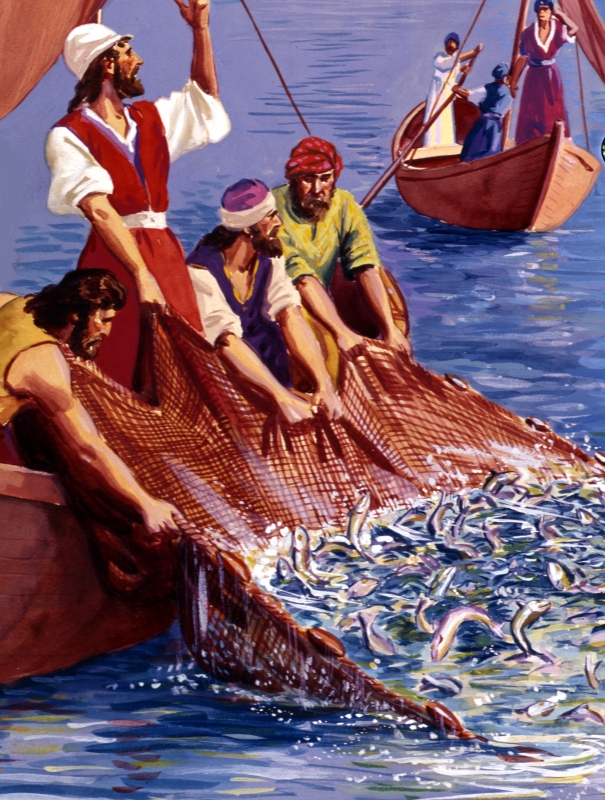
6) Jesus helped the disciples catch fish.
1f052917bd80507a730f9b107b21380d.jpg

5 Then Jesus saith unto them, Children, have ye any meat? They answered him, No.
6 And he said unto them, Cast the net on the right side of the ship, and ye shall find. They cast therefore, and now they were not able to draw it for the multitude of fishes.
9 As soon then as they were come to land, they saw a fire of coals there, and fish laid thereon, and bread.

Explanation:
This story is a lot like the quail in point #3. This was a society who were used to surviving off of mainly grains and fish. Times were hard and they basically needed whatever food they could come by. However, in our Western world today, this is not the case. When we go to the grocery store, or even grow a garden in our own backyard, we have the ultimate choice in what to eat. What a blessing this is! Christ helped those who needed food to feed their families by filling their nets. Nowadays, if we ask God for guidance, he can help us make healthy decisions and learn self control in our deeds to that we can live healthier, happier lives. That includes abstaining from killing/consuming  animals that we are not in need of for food or raiment.

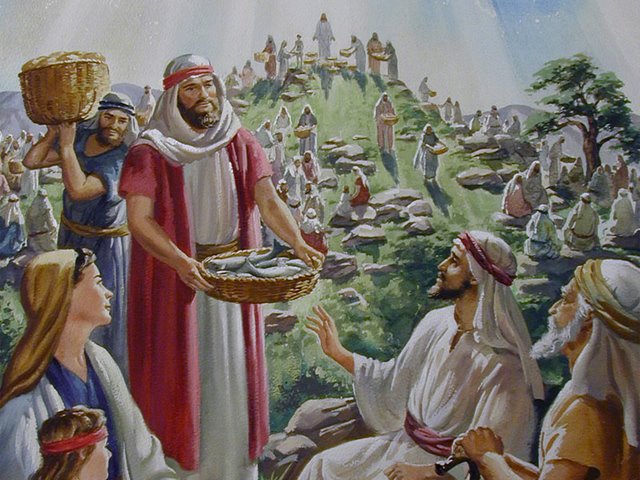
7) Jesus fed a multitude with loaves and fishes.

loaves-and-fishes.jpg

19 And he commanded the multitude to sit down on the grass, and took the five loaves, and the two fishes, and looking up to heaven, he blessed, and brake, and gave the loaves to his disciples, and the disciples to the multitude.
20 And they did all eat, and were filled: and they took up of the fragments that remained twelve baskets full.

Explanation:
In this example, the fish bodies merely appeared, with no apparent spirits in them. Therefore, there is no cruelty in this particular story. However, eating fish is still unhealthy, but since it was what people were used to eating in those days, that is what Jesus made appear. Bread and fish are two foods that fill a person up, and Christ was making a miracle to feed an entire multitude of people  So the miracle was the point of this story, not just the fish.

8) Jesus ate broiled fish after his resurrection.

untitled.png

Luke 24:42-43
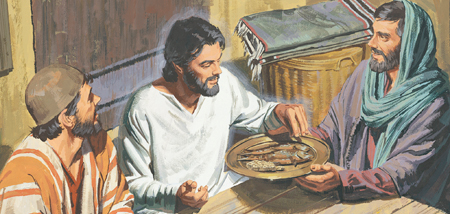
42 And they gave him a piece of a broiled fish, and of an honeycomb.
43 And he took it, and did eat before them.

Explanation:
For one thing, Christ’s body was perfected after his resurrection, so it’s not as if eating fish would do him harm. However, when it comes to the ethics of someone as compassionate as Christ partaking of a dead animal, we must remember, this was the norm of that time period because without meat, many people would not have had enough to eat.

It is implied in the scriptures, though, that a vegan diet will be the norm after Christ’s second coming because there will be no more death after he returns.

Revelation 20:6
6 Blessed and holy is he that hath part in the first resurrection: on such the second death hath no power, but they shall be priests of God and of Christ, and shall reign with him a thousand years.

Hosea 2:18
18 And in that day will I make a covenant for them with the beasts of the field, and with the fowls of heaven, and with the creeping things of the ground: and I will break the bow and the sword and the battle out of the earth, and will make them to lie down safely.

And now we move on to scriptures from the book of Mormon, for my fellow
Latter-day Saint readers.


9) Nephi hunted animals in the wilderness to feed his family.
5168SSJopwL._SL500_AC_SS350_.jpg

There are several passages in 1st Nephi describing his need to hunt while in the wilderness in order to provide food for his family. Here are a few:

1 Nephi 16:14-15
14 And it came to pass that we did take our bows and our arrows, and go forth into the wilderness to slay food for our families; and after we had slain food for our families we did return again to our families in the wilderness, to the place of Shazer. And we did go forth again in the wilderness, following the same direction, keeping in the most fertile parts of the wilderness, which were in the borders near the Red Sea.
15 And it came to pass that we did travel for the space of many days, slaying food by the way, with our bows and our arrows and our stones and our slings.

23 And it came to pass that I, Nephi, did make out of wood a bow, and out of a straight stick, an arrow; wherefore, I did arm myself with a bow and an arrow, with a sling and with stones. And I said unto my father: Whither shall I go to obtain food?
26 And it came to pass that the voice of the Lord said unto him: Look upon the ball, and behold the things which are written.
30 And it came to pass that I, Nephi, did go forth up into the top of the mountain, according to the directions which were given upon the ball.
31 And it came to pass that I did slay wild beasts, insomuch that I did obtain food for our families.

32 And it came to pass that I did return to our tents, bearing the beasts which I had slain; and now when they beheld that I had obtained food, how great was their joy! And it came to pass that they did humble themselves before the Lord, and did give thanks unto him.

Explanation:

My reasoning for this will sound a lot like the reasoning for the quail in point #3. When traveling through the wilderness, it’s very difficult to get enough calories from vegetation alone. If you’re in an area where there aren’t many sources of fruit, root vegetables, grains, etc., it will be hard to get sufficient calories. In these times, it is actually a blessing that our bodies can temporarily survive on high calorie foods like meat to get by, sad as it is to have to kill. I, for one, am certainly grateful that I’m not in Nephi’s position. However, we do see that once they reached the land Bountiful, they were overjoyed at all the fruit growing there, which was a sign that they would prosper.

4 And we did sojourn for the space of many years, yea, even eight years in the wilderness.
5 And we did come to the land which we called Bountiful, because of its much fruit and also wild honey; and all these things were prepared of the Lord that we might not perish. And we beheld the sea, which we called Irreantum, which, being interpreted, is many waters.
6 And it came to pass that we did pitch our tents by the seashore; and notwithstanding we had suffered many afflictions and much difficulty, yea, even so much that we cannot write them all, we were exceedingly rejoiced when we came to the seashore; and we called the place Bountiful, because of its much fruit.

Also, we are taught in the Doctrine and Covenants that unless we are in times of hardship, such as a famine, it is pleasing to the Lord that we spare the animals lives and not use them for food or raiment, as we see in these passages.

D&C 89:12-13
12 Yea, flesh also of beasts and of the fowls of the air, I, the Lord, have ordained for the use of man with thanksgiving; nevertheless they are to be used sparingly;
13 And it is pleasing unto me that they should not be used, only in times of winter, or of cold, or famine.

D&C 49:21
21 And wo be unto man that sheddeth blood or that wasteth flesh and hath no need.


11) Amulek set bread and meat before Alma.
blessing.jpg

Alma 8:21
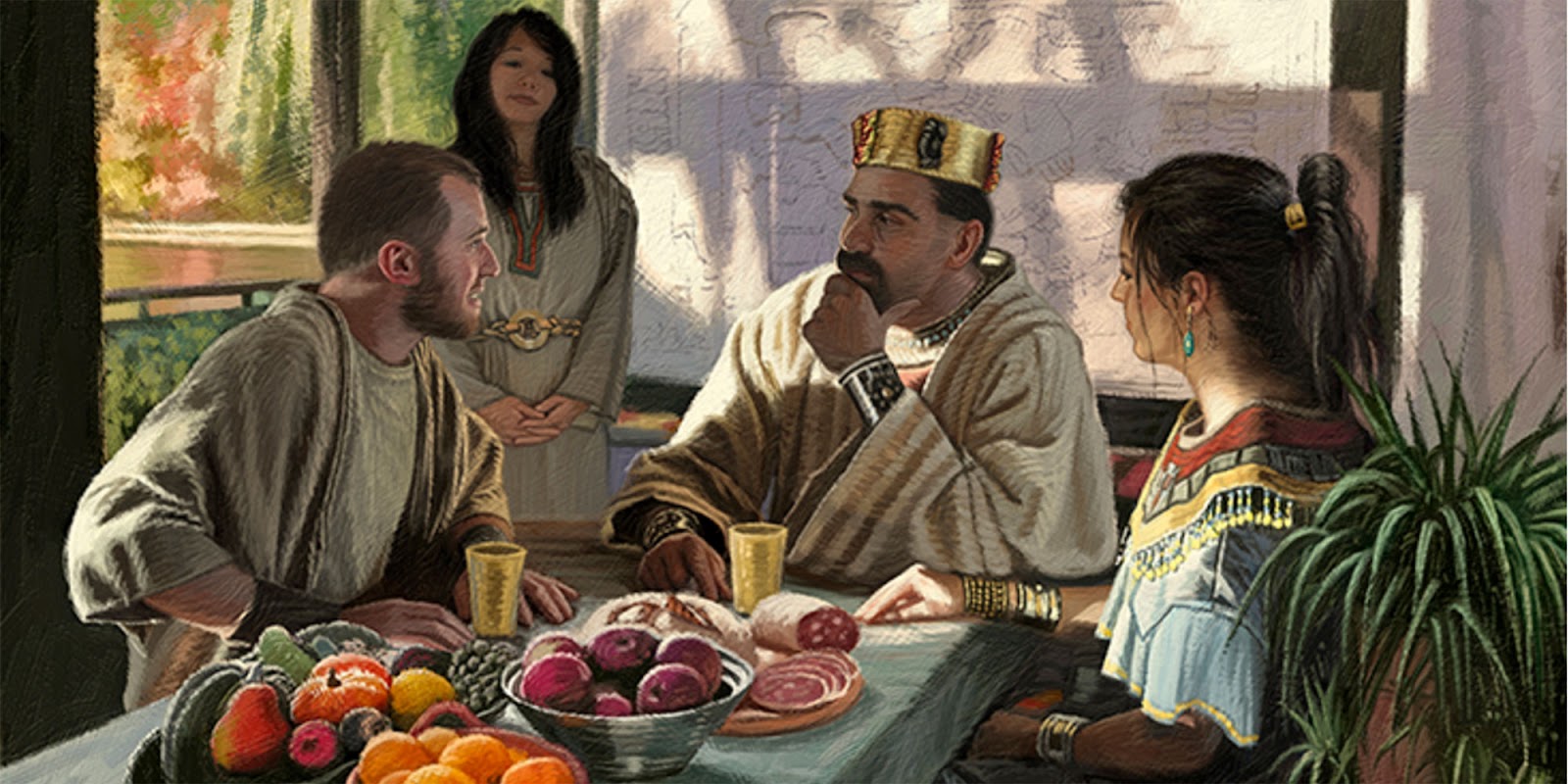
21 And it came to pass that the man received him into his house; and the man was called Amulek; and he brought forth bread and meat and set before Alma.

Explanation:
Alma was a chief and high priest over the land, meaning he was in a high political office. Eating meat was common among upper classes and royalty, not only in the scriptures, but all throughout history and in just about every culture. That doesn’t make it right, but it was a cultural norm, just as it has become a cultural norm for the majority to include meat in nearly every meal. Let us not forget, though, the story of Daniel from the Bible, and how he was prompted by God to Abstain from the king’s meat and wine.
Also, lest we forget, in verse 22, Alma eats the bread, but was never mentioned eating the meat.

22 And it came to pass that Alma ate bread and was filled; and he blessed Amulek and his house, and he gave thanks unto God.

That doesn't mean he abstained from meat, and also, "meat" does often mean general "food" in the scriptures, but still, it's a cool idea.

Daniel 1:8
8 ¶ But Daniel purposed in his heart that he would not defile himself with the portion of the king’s meat, nor with the wine which he drank: therefore he requested of the prince of the eunuchs that he might not defile himself.

12) Many Lamanites ate nothing but raw meat.
battle-sidon-james-fullmer.jpg

Enos 1:20
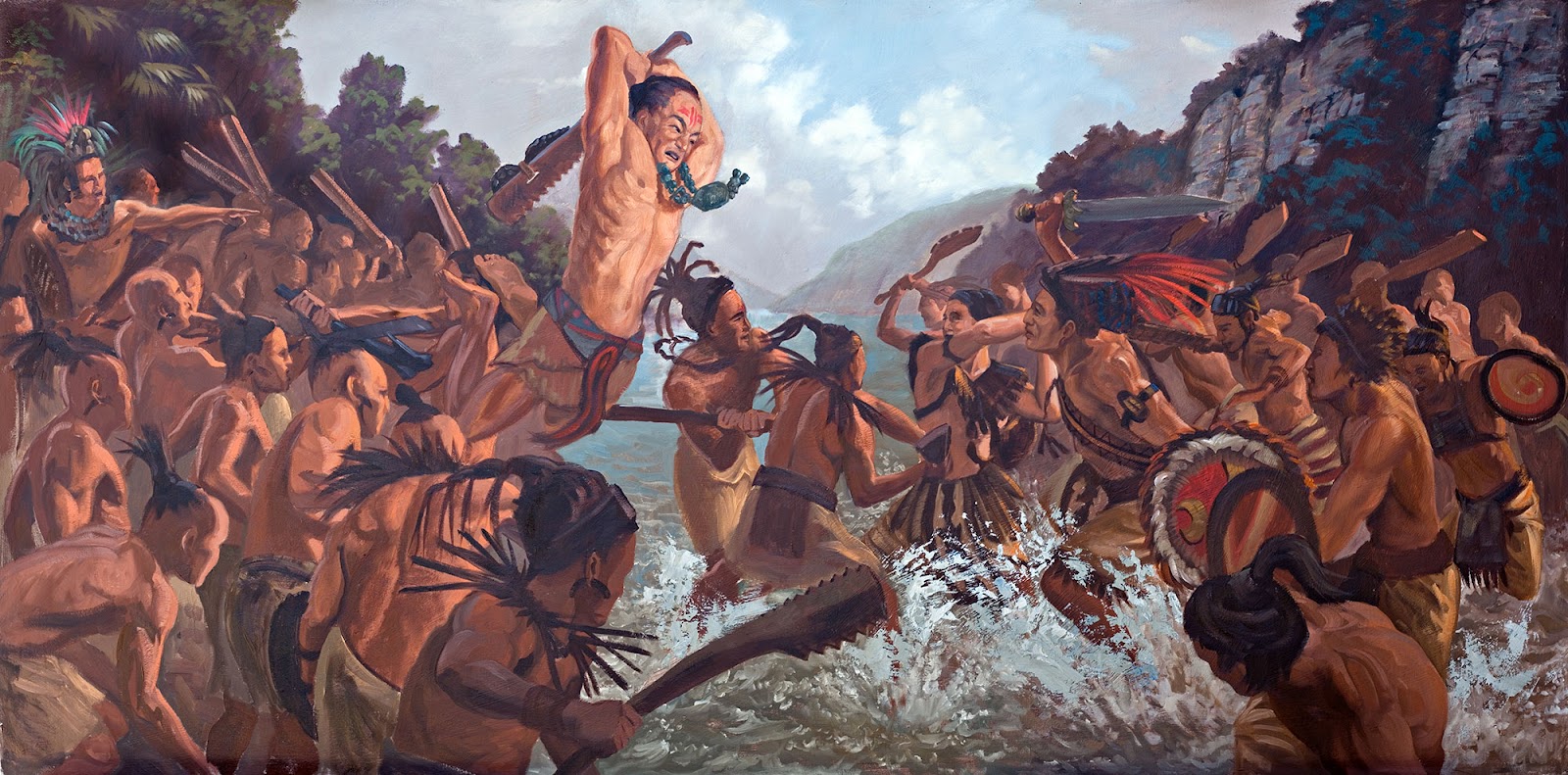
20 And I bear record that the people of Nephi did seek diligently to restore the Lamanites unto the true faith in God. But our labors were vain; their hatred was fixed, and they were led by their evil nature that they became wild, and ferocious, and a blood-thirsty people, full of idolatry and filthiness; feeding upon beasts of prey; dwelling in tents, and wandering about in the wilderness with a short skin girdle about their loins and their heads shaven; and their skill was in the bow, and in the cimeter, and the ax. And many of them did eat nothing save it was raw meat; and they were continually seeking to destroy us.

Explanation:
In this case, the Lamanites were being described for the wicked things they did, including eating meat needlessly by killing/eating predatory animals (which messed with the natural population control of the animals), consuming raw meat, etc. It was an example of things that righteous people should definitely NOT do.


13) The Gadianton Robbers Had Nothing To Eat But Meat for their Subsistence.
gadianton-robbers.jpg

3rd Nephi 4:19
19 And because of the scantiness of provisions among the robbers; for behold, they had nothing save it were meat for their subsistence, which meat they did obtain in the wilderness.

Explanation:
I’ll set aside the fact that the Gadianton robbers were not a righteous people, therefore they were keeping themselves from blessings of prosperity in the first place. But when it comes to having nothing but meat to survive, obviously, no one wants to be in that position. However, if all a person had to eat was meat, few people would choose to starve. It’s a sad thing, especially during times in history when people have had to resort to eating their own pets to survive, but in times of need, who could blame them? Clearly, though, if we don’t need to eat meat because we’re not in dire need, then it’s best to abstain.

So there you have it. After all that, the most basic argument would be that, due to the limited food and resources of the time period, abstaining from animal products was just not an option for most people, including even our savior. When some people come across this idea, they may get upset or discouraged, wondering how Heavenly Father could be so “cruel” to create circumstances where we had to eat and wear animals to survive.

To that I say, it’s not God. Satan is the one who is evil. Because of the balance and nature of creation, when we sin, (without Christ’s atonement) the outcome is death. When we sin, we remove ourselves from the blessings Heavenly Father can provide us and instead submit to Satan. Yes, that makes life difficult and even tragic at times. But remember, this life is a test. If it were easy and always perfect, what would be the point? How can anyone know true happiness or accomplishment if they’ve never experienced sorrow or failure? That is why Christ atoned for us, so we could repent and be worthy to live with our Father again. Consider the words of Elder Jeffrey R. Holland:

The Cost—and Blessings—of Discipleship

April 2014 General Conference

Of the Quorum of the Twelve Apostles

Sadly enough, my young friends, it is a characteristic of our age that if people want any gods at all, they want them to be gods who do not demand much, comfortable gods, smooth gods who not only don’t rock the boat but don’t even row it, gods who pat us on the head, make us giggle, then tell us to run along and pick marigolds.11
Talk about man creating God in his own image! Sometimes—and this seems the greatest irony of all—these folks invoke the name of Jesus as one who was this kind of “comfortable” God. Really? He who said not only should we not break commandments, but we should not even think about breaking them. And if we do think about breaking them, we have already broken them in our heart. Does that sound like “comfortable” doctrine, easy on the ear and popular down at the village love-in?
And what of those who just want to look at sin or touch it from a distance? Jesus said with a flash, if your eye offends you, pluck it out. If your hand offends you, cut it off.12 “I came not to [bring] peace, but a sword,”13 He warned those who thought He spoke only soothing platitudes. No wonder that, sermon after sermon, the local communities “pray[ed] him to depart out of their coasts.”14 No wonder, miracle after miracle, His power was attributed not to God but to the devil.15 It is obvious that the bumper sticker question “What would Jesus do?” will not always bring a popular response.
At the zenith of His mortal ministry, Jesus said, “Love one another, as I have loved you.”16 To make certain they understood exactly what kind of love that was, He said, “If ye love me, keep my commandments”17 and “whosoever … shall break one of [the] least commandments, and shall teach men so, he shall be … the least in the kingdom of heaven.”18 Christlike love is the greatest need we have on this planet in part because righteousness was always supposed to accompany it. So if love is to be our watchword, as it must be, then by the word of Him who is love personified, we must forsake transgression and any hint of advocacy for it in others. Jesus clearly understood what many in our modern culture seem to forget: that there is a crucial difference between the commandment to forgive sin (which He had an infinite capacity to do) and the warning against condoning it (which He never ever did even once).


My overall message is not that eating meat is a sin, and it’s not that veganism is a commandment. You can have a temple recommend and still eat/wear animal products. Still, as it says in D&C 89, it is pleasing to God that the animals not be used unless we are in times of dire need.

Even more clear than the points I’ve made in this post is the fact that we should not need a commandment for everything we do or don’t do. We were given the gift of discernment through the light of Christ so that we can tell good from evil in our own hearts. Just as it says here:

D&C 58:26-27
26 For behold, it is not meet that I should command in all things; for he that is compelled in all things, the same is a slothful and not a wise servant; wherefore he receiveth no reward.
27 Verily I say, men should be anxiously engaged in a good cause, and do many things of their own free will, and bring to pass much righteousness;


I have a testimony that the true gospel of Jesus Christ has been restored to this earth and that the LDS church is true. I also testify that eating in this way, in the manner of the Garden of Eden, of Noah on the Ark, and in the way that we will eat after Christ’s second coming, I have strengthened my faith and knowledge of Heavenly Father’s love and Plan of Happiness for all of us. He wants us to be healthy, and he wants us to live long in our joyous existence on this earth. I say these things in the name of Jesus Christ, Amen.

Peer reviewed studies on the health benefits of plant-based/vegan diets:


Nutritional Update for Physicians: Plant-Based Diets:

A Plant-Based Diet, Atherogenesis, and Coronary Artery Disease Prevention:

Diet, lifestyle, and the etiology of coronary artery disease: the Cornell China Study: http://www.sciencedirect.com/science/article/pii/S0002914998007188

Vegetarian diets are associated with healthy mood states: a cross-sectional study in Seventh Day Adventist adults:

Dietary effects on breast-cancer risk in Singapore:

Red and Processed Meat and Colorectal Cancer Incidence: Meta-Analysis of Prospective Studies:
A Low-Fat Vegan Diet Improves Glycemic Control and Cardiovascular Risk Factors in a Randomized Clinical Trial in Individuals With Type 2 Diabetes:

Atherosclerosis across 4000 years of human history: the Horus study of four ancient populations: